

A wedding guide, from experience
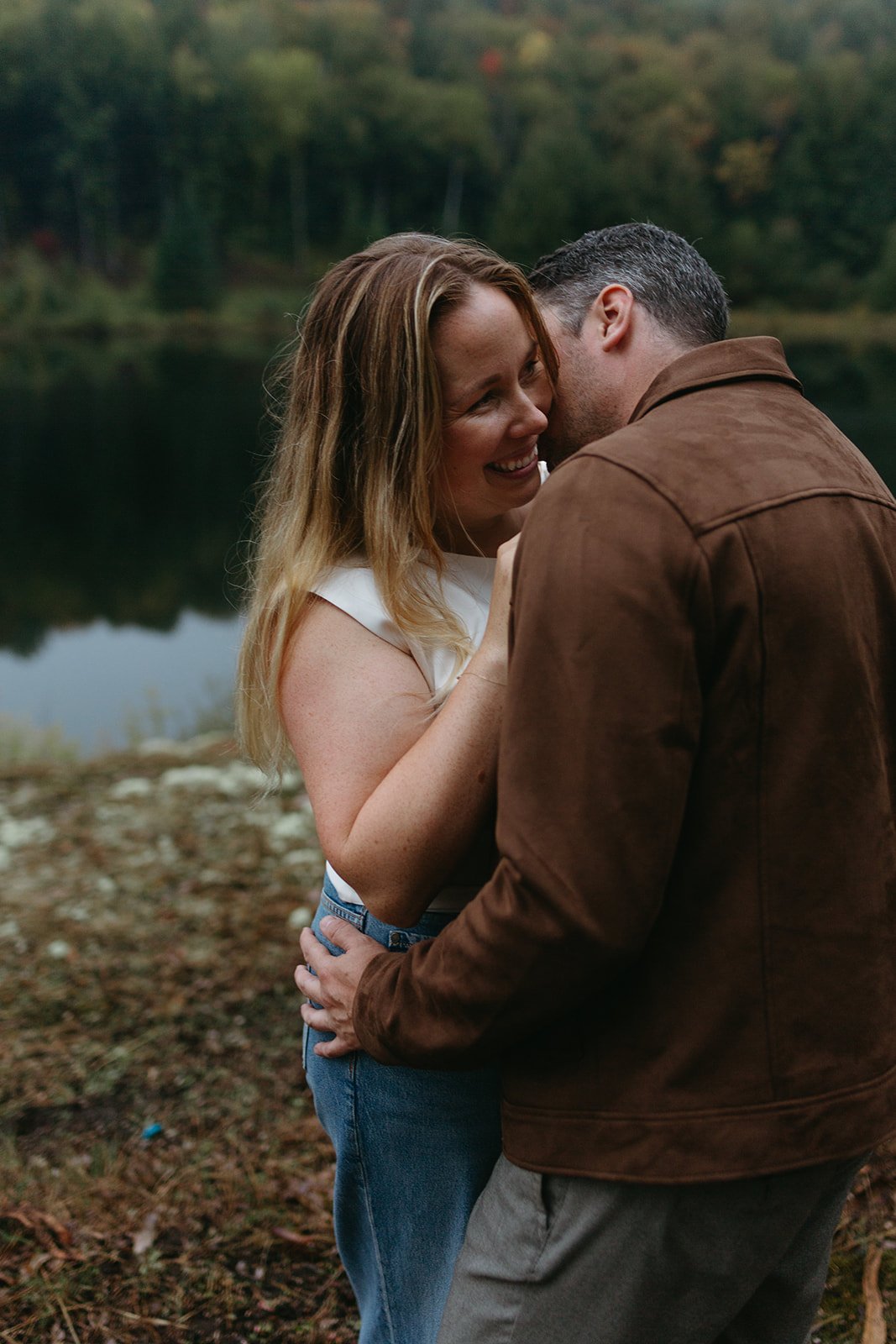
My approach, simply put
I photograph weddings and elopements in a documentary way — with intention.
I’m not hands-off to the point of absence, and I’m not directing every moment either. I pay attention. I anticipate. I know when to step in and when to leave something alone.
I care more about:
anticipation than perfection
connection than choreography
moments as they unfold, not as they’re staged
Good photos come from trust and comfort, not constant instruction. My job is to create the conditions where those things can exist.
Why I share a wedding guide
Weddings move fast. Expectations build quietly. Pressure sneaks in.
Rather than letting all of that land on the wedding day, I give my clients a detailed guide once they book. It’s built from what I’ve seen over hundreds of weddings — not trends, not Pinterest, not theory.
The guide covers things like:
how photography actually fits into a wedding day
how timelines work in real life
how to feel more at ease being photographed
what makes photos meaningful years later
what matters, what doesn’t, and where you have flexibility
It’s not about control.
It’s about clarity.
When couples understand the flow of the day and my role within it, they relax — and that’s when the honest moments happen.

Who this guide (and my work) is for
This approach tends to work best for people who:
want their wedding to feel calm, not rushed
care more about presence than perfection
don’t want their day turned into a photoshoot
value honest moments over posed ones
It may not be the right fit if:
photography needs to lead every part of the day
you want heavy posing throughout
structure and precision matter more than flexibility
Neither is wrong — alignment just matters.
What it’s like working together
On the wedding day, my goal is for you to feel supported, not managed.
I’ll guide when it’s helpful.
I’ll step back when something real is happening.
I’ll keep things moving without pulling you out of the moment.
You don’t need to know how to stand.
You don’t need to know what to do with your hands.
You don’t need to perform intimacy for the camera.
You just need to be there.
A note on experience…
Experience doesn’t mean every wedding looks the same — it means I know they never do.
The guide I share with clients is shaped by real timelines, unexpected weather, family dynamics, nerves, quiet moments, and days that didn’t go “perfectly” but felt right.
It’s there to support you, not steer you.
ALL OF THIS TO SAY:
If you’re planning a wedding or elopement and this approach feels like your speed, I’d love to talk.
we can explore:
Weddings
Elopements
Or get in touch here to see which fits your needs
Booked clients receive the full, password-protected wedding guide as part of the experience.
Weddings come with a lot of advice.
Most of it loud. Some of it conflicting. Almost all of it delivered like there’s a “right” way to do this.
After photographing weddings and elopements for over a decade, here’s what I know for sure: the best days don’t come from following rules — they come from feeling supported, informed, and free to be present.
This page is a public introduction to how I work and why I share a wedding guide with every couple I photograph. Not a checklist. Not a set of expectations. Just perspective, built from real days, real timelines, and real people who didn’t want their wedding to feel like a production.
A little context
Most couples I work with don’t love being photographed.
They care about the people, the moments, the feeling — and they’re quietly worried about everything else.
They’re wondering:
how much time photos actually take
whether they’ll feel awkward
if they need to perform emotion
what really matters, and what they can let go of
That uncertainty is normal. The wedding industry doesn’t do a great job of calming it.
That’s where experience comes in.